
Our Team
Choosing a couples therapist is a deeply personal decision. You're not just looking for qualifications you're looking for people who understand that relationships are at the centre of everything, and who have the training, the experience, and the genuine belief that yours can be better. That's what we bring.
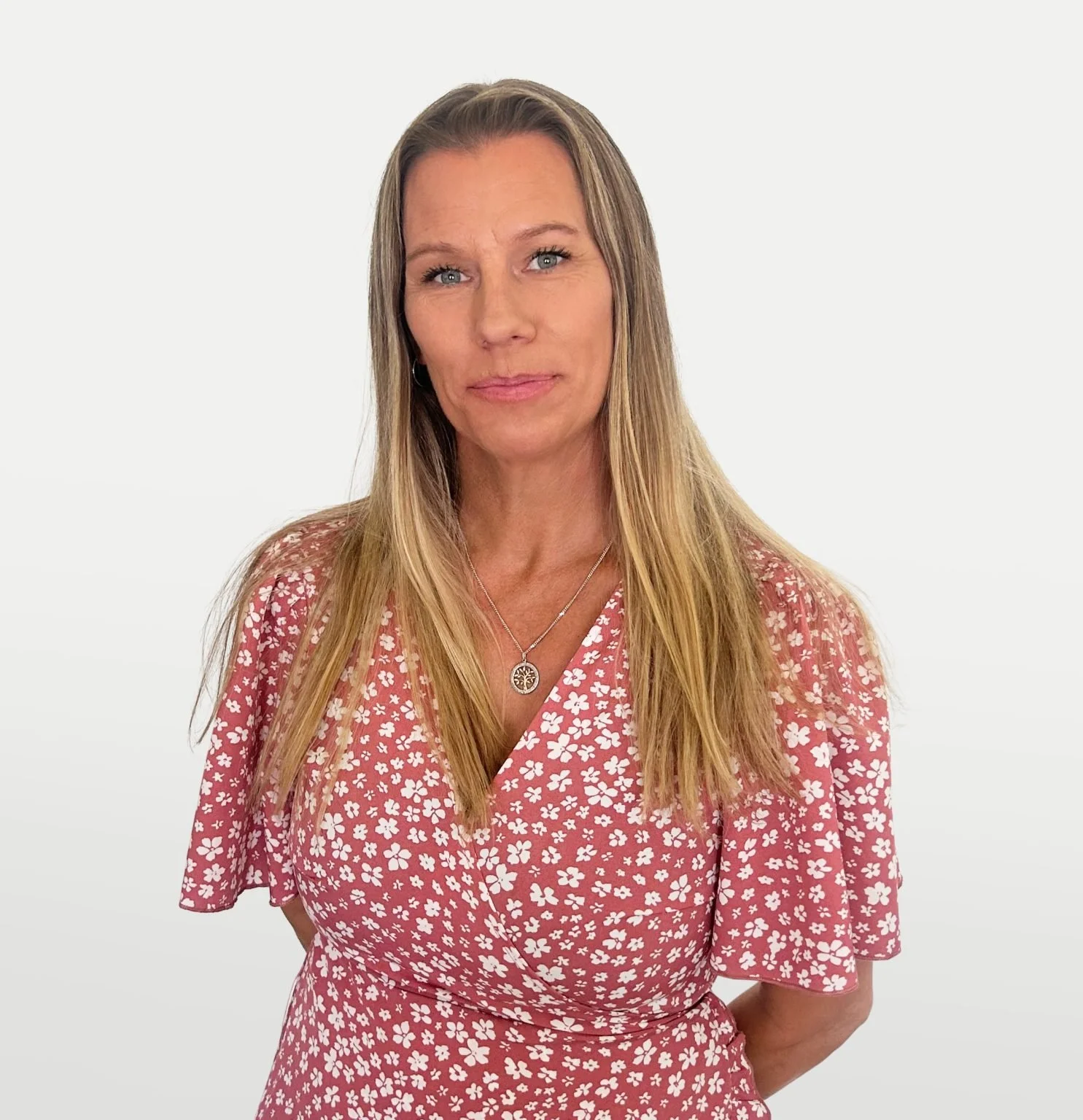
Tiarni Mudford
I came to couples work through the same door that most social workers come to anything — by witnessing, over and over, how much the people around us shape who we become. Relationships aren't just one part of a person's wellbeing. For most people, they are the foundation of it.
My background is in social work, across mental health, family support, and community services. What I kept noticing in that work was how often the presenting issue — the anxiety, the burnout, the flat affect — had its roots in a relationship that had quietly broken down. Not dramatically. Just gradually, in the way that closeness erodes when life gets full and connection stops being tended to.
The Gottman Method gave me a language and a structure for that work that I hadn't found elsewhere. It is rigorous without being cold, practical without being reductive. It asks couples to be honest about what is actually happening between them — and then gives them specific, research-backed tools to change it. I find that combination genuinely powerful.
I work with a lot of warmth, and I don't shy away from the hard conversations. I believe most couples who sit across from me want the same thing: to feel known by the person they chose, and to know them back. That is always worth working toward.
Co-Founder/ Couples Therapist

BSW, AMHSW

About Us
-
BSW, MAASW, AMHSW, Dip. Comm Serv (AOD & MH)
I am an Accredited Mental Health Social Worker with 15 years’ experience in Mental Health and Psychological Counselling.
My professional journey has taken me into areas including:
Therapeutic Counselling
Mental Health
Alcohol & Other Drugs (AOD)
Training & Education
NDIS and Disability
Homelessness
NDIS and disability
Carers’ Support
Management, Supervision,
Professional Memberships & Qualifications
Accredited Mental Health Social Worker (AMHSW) – Member of the Australian Association of Social Workers (AASW)
Bachelor of Social Work (Distinction)
Diploma in Community Services (AOD & MH)
Postgraduate Units – Supervision: Theory and Practice & Supervision of Students in Health & Human Services
Additional Training & Specialised Approaches
Non-Directive Pregnancy Counselling
Gottman Method Couples’ Counselling (Level 1 & 2)
Schema Therapy (Level 1 &2)
CBT, Narrative Therapy, Attachment Theory, Motivational Interviewing
ASIST (Applied Suicide Intervention Skills Training)
MARAM Comprehensive Risk Training
ASD Assessments Fundamentals & Co-occurring Conditions
Strengths-Based and Reflective Supervision
Functional Capacity Assessment Training
Leadership Training
-
BSW, MAASW, AMHSW, MBA, BA (Politics)
I’m a degree-qualified practitioner who began working in the field in the early 2000s, with a career that has taken me across diverse sectors, systems, and communities.
My professional journey has taken me into areas including:
Community development
Statutory environments (justice, child protection, family services)
Mental health and AOD (alcohol & other drugs)
Homelessness and housing
Early years development
NDIS and disability
Governance, policy, and tender writing
National community awareness campaigns
Professional Memberships & Qualifications
Accredited Mental Health Social Worker (AMHSW) – Member of the Australian Association of Social Workers (AASW)
Bachelor of Social Work
Master of Business Administration (MBA)
Bachelor of Arts (Politics)
Postgraduate Unit – Supervision in Community Care
Additional Training & Specialised Approaches
EMDR (Level 1 – Eye Movement Desensitisation and Reprocessing)
Alcohol & Other Drugs Skillset
ASIST (Applied Suicide Intervention Skills Training)
SMART Recovery Facilitator Training
Adaptive Leadership – Social Leadership Australia
Motivational Interviewing & CBT
Attachment Theory, Narrative Therapy, and Person-Centred Practice
Donor Conception Competency Training
Strengths-Based and Reflective Supervision
Governance and Ethical Leadership in Human Services
-
At times you might hear from our admin guru Kaitlin. Kaitlin supports us by providing virtual admin support, answering calls, scheduling support and general enquiries. Kaitlin is neurodivergent and is well versed in all things health admin support.